
 Super admin
The Future of Forex: Trends and Innovations to Watch
The forex (foreign exchange) market, the largest and most liquid financial market in the world, is constantly evolving. With daily trading volumes exceeding $6 trillion, forex is at the forefront of global finance. As technology advances and market dynamics shift, traders must stay informed about emerging trends and innovations. In this blog post, we’ll explore the key developments shaping the future of forex trading and how they could impact traders.
1. Artificial Intelligence (AI) and Machine Learning (ML)
AI and ML are transforming forex trading by providing powerful tools for data analysis and prediction. These technologies analyze vast amounts of market data in real time, identifying patterns and trends that humans might miss. Algorithms driven by AI can automate trading strategies, adjust them based on market conditions, and even learn from past trades to optimize performance.
How it impacts traders:
AI-driven tools can help traders make more informed decisions, reduce emotional trading, and improve risk management. As AI becomes more sophisticated, we can expect trading platforms to offer more advanced features, allowing traders to stay competitive.
2. Blockchain and Decentralized Finance (DeFi)
Blockchain technology, best known for powering cryptocurrencies like Bitcoin and Ethereum, is increasingly influencing the forex market. The potential for blockchain to offer secure, transparent, and tamper-proof transaction records is transforming how currency exchanges and settlements are conducted. Decentralized Finance (DeFi) platforms built on blockchain allow traders to bypass traditional intermediaries, offering greater flexibility and potentially lower fees.
How it impacts traders:
Blockchain’s security and transparency could reduce fraud and settlement times, enhancing the reliability of forex transactions. Traders could benefit from faster, more secure trades, particularly in cross-border transactions.
3. Rise of Cryptocurrencies in Forex Trading
As digital currencies become more accepted globally, cryptocurrencies are becoming an integral part of forex trading. Many brokers now offer crypto pairs alongside traditional currency pairs, providing traders with new opportunities to profit from the volatility of digital assets.
How it impacts traders:
Forex traders now have access to a wider range of assets, with crypto markets open 24/7. This allows for greater trading flexibility and the potential for higher returns. However, traders should be mindful of the increased volatility and risk that comes with trading cryptocurrencies.
4. Algorithmic Trading
Algorithmic trading, which uses automated systems to execute trades at optimal times, is becoming more popular in the forex market. Algorithms can process vast amounts of data and execute trades in milliseconds, allowing traders to capitalize on short-term market movements. High-frequency trading (HFT), a subset of algorithmic trading, is particularly relevant in the forex market due to its liquidity and fast-moving nature.
How it impacts traders:
Traders using algorithmic systems can execute trades faster and more efficiently. This reduces the potential for human error and allows traders to take advantage of small price movements that manual traders might miss. However, algorithmic trading requires a deep understanding of market conditions and algorithm design.
5. Mobile Trading and Enhanced Platforms
Mobile trading has revolutionized how traders access the forex market. With apps offering full-featured trading platforms, traders can execute trades, monitor markets, and analyze trends from their smartphones or tablets. Trading platforms are also integrating more features, such as advanced charting tools, real-time data, and educational resources, making it easier for both beginners and seasoned traders to manage their portfolios on the go.
How it impacts traders:
Mobile trading offers flexibility and convenience, allowing traders to respond to market changes anytime, anywhere. Enhanced platforms with user-friendly interfaces and advanced features provide a more intuitive trading experience, particularly for novice traders.
6. Social Trading and Copy Trading
Social trading, where traders share insights, strategies, and market analysis with a community, has gained traction in recent years. Copy trading, a subset of social trading, allows less-experienced traders to replicate the trades of seasoned traders, benefiting from their expertise.
How it impacts traders:
Social trading platforms create opportunities for collaboration and learning. Beginners can gain valuable insights by following experienced traders, while seasoned traders can monetize their strategies by allowing others to copy their trades. This democratizes forex trading and lowers the barrier to entry for new traders.
7. Regulatory Changes and Market Transparency
As the forex market grows, regulators worldwide are stepping up efforts to increase transparency and protect traders. Changes in regulatory frameworks aim to reduce market manipulation and fraud, ensuring a fairer trading environment. Many countries are introducing stricter compliance rules for brokers, ensuring better protection for traders' funds and more transparent pricing structures.
How it impacts traders:
Regulatory changes may increase trust in the forex market, particularly for retail traders. However, traders must also stay informed about the latest regulations in their regions to ensure compliance and avoid any potential penalties.
8. Sustainability and Ethical Trading
As global awareness of environmental, social, and governance (ESG) factors grows, sustainability is becoming an important consideration in the financial world. Forex traders and brokers are starting to evaluate how ethical practices and sustainable investing can impact currency markets, leading to a new focus on ESG-related forex trading strategies.
How it impacts traders:
Forex traders may increasingly consider how factors like climate change, corporate governance, and ethical concerns affect currency values. As sustainability becomes a priority, ESG-focused forex trading could become a growing niche within the market.
Conclusion: The Future is Here
The future of forex trading is exciting, with rapid technological advancements and evolving market dynamics creating new opportunities for traders. Whether you’re an experienced trader or just starting, staying informed about these trends will be essential for navigating the changing forex landscape.
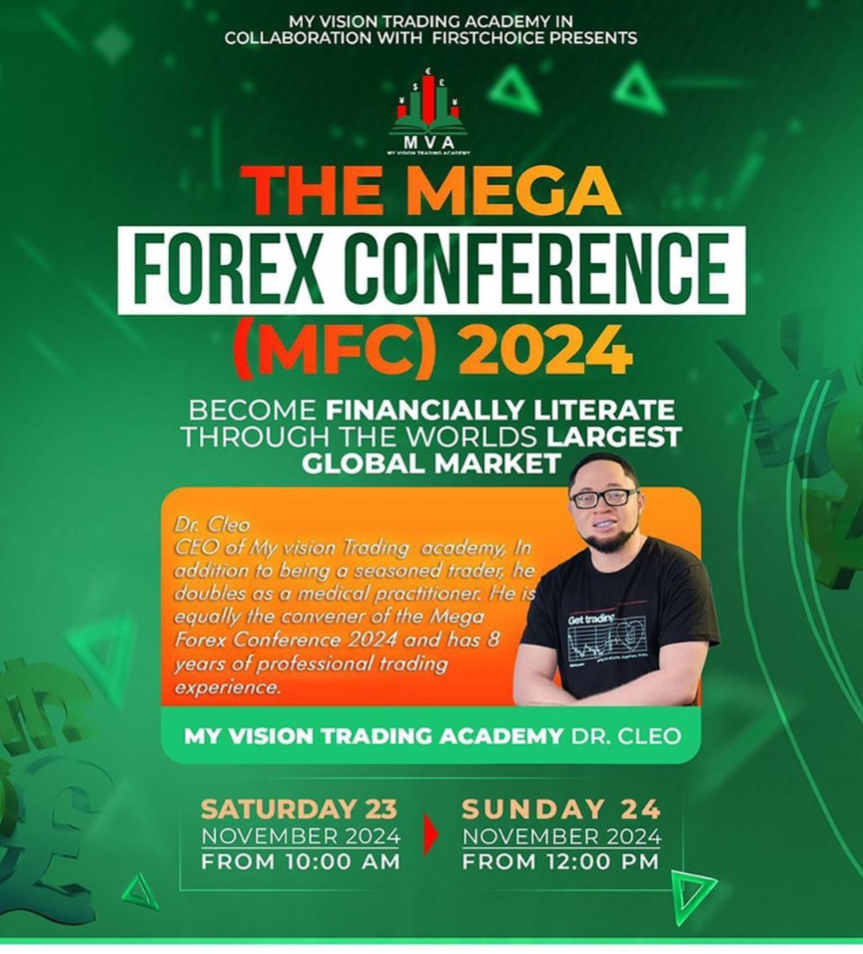
At My Vision Trading Academy, we’re committed to helping traders succeed in this ever-evolving market. Our courses cover the latest tools, strategies, and market insights to equip you with the knowledge needed to thrive in the future of forex trading.